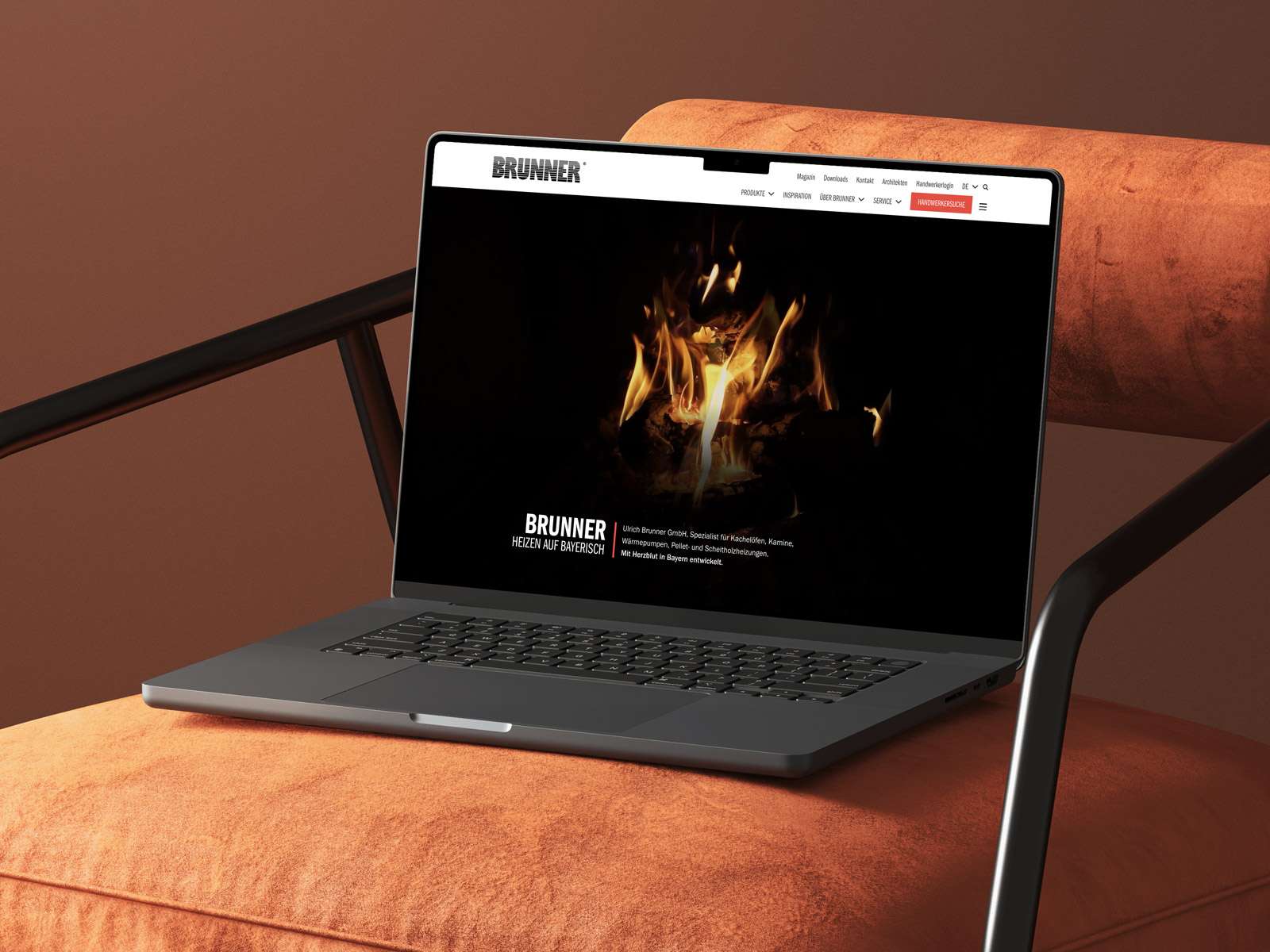
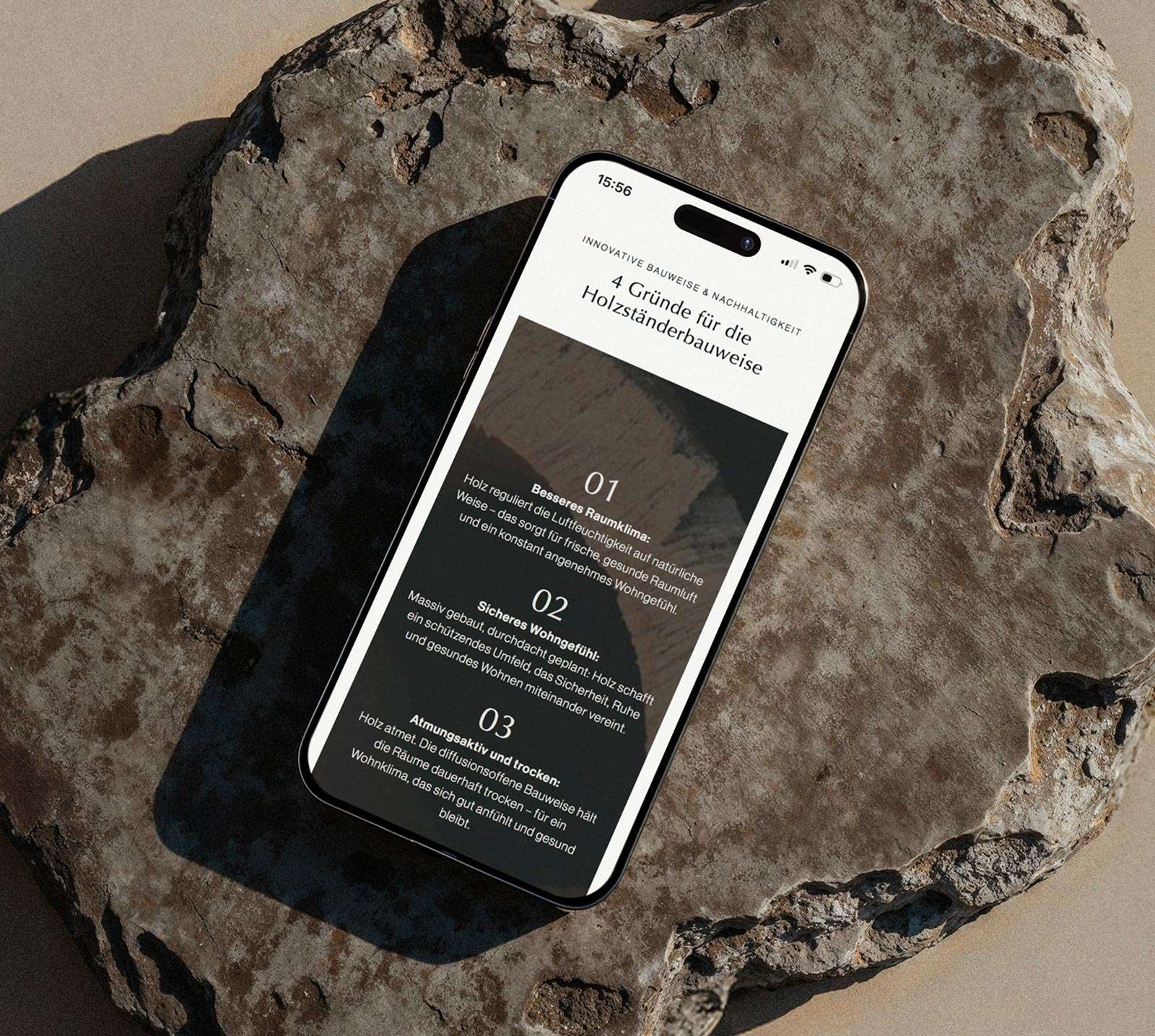
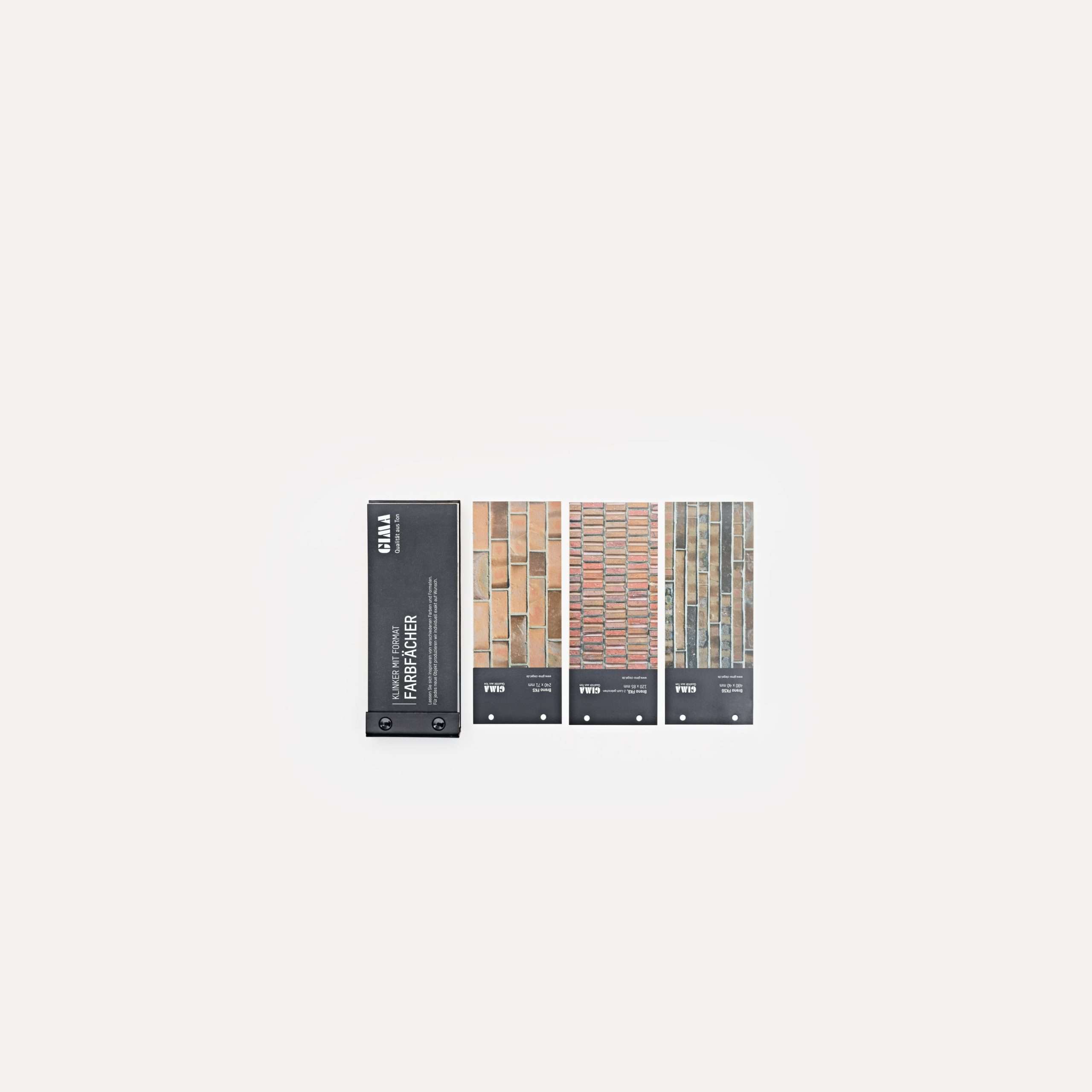
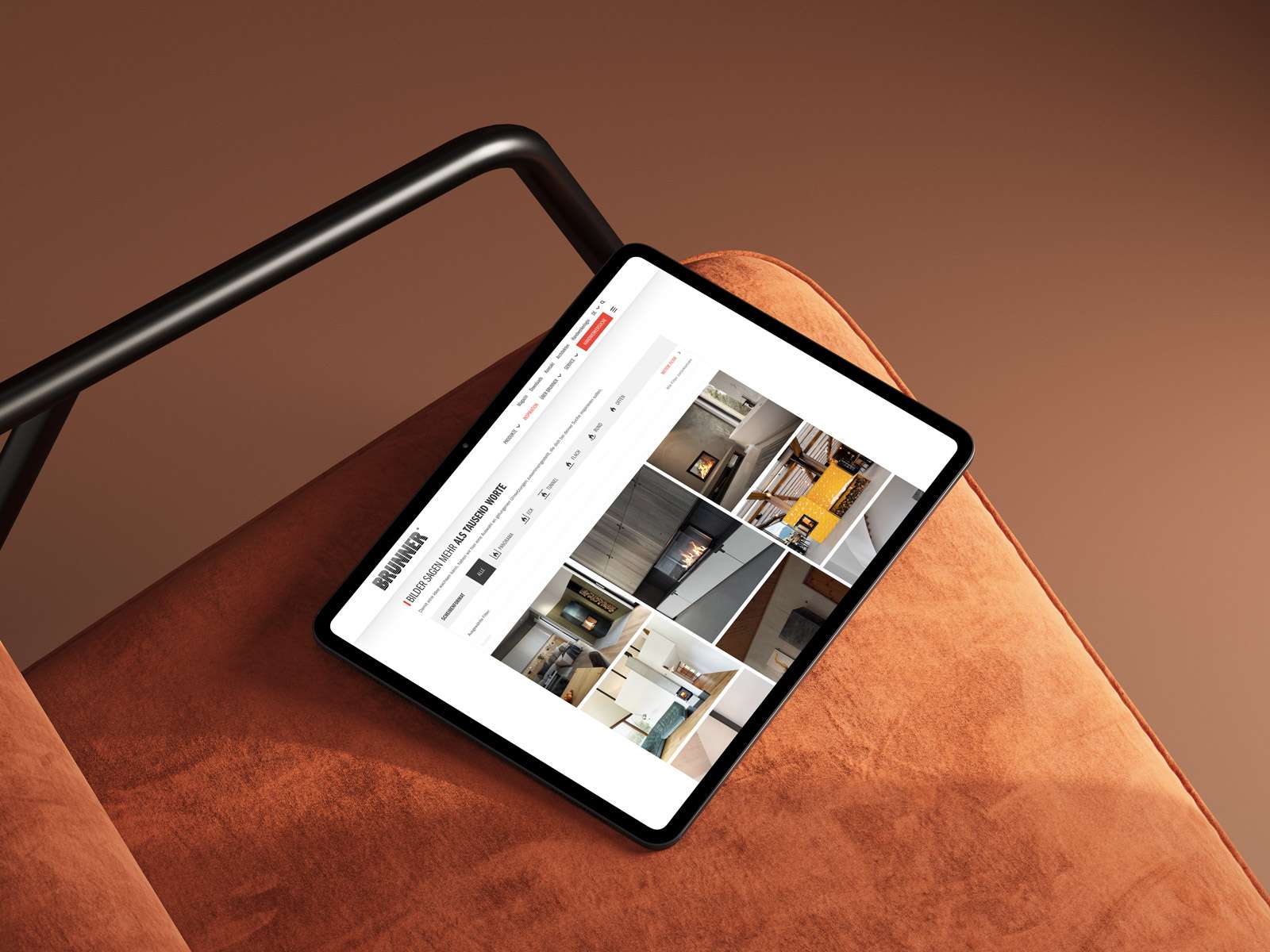
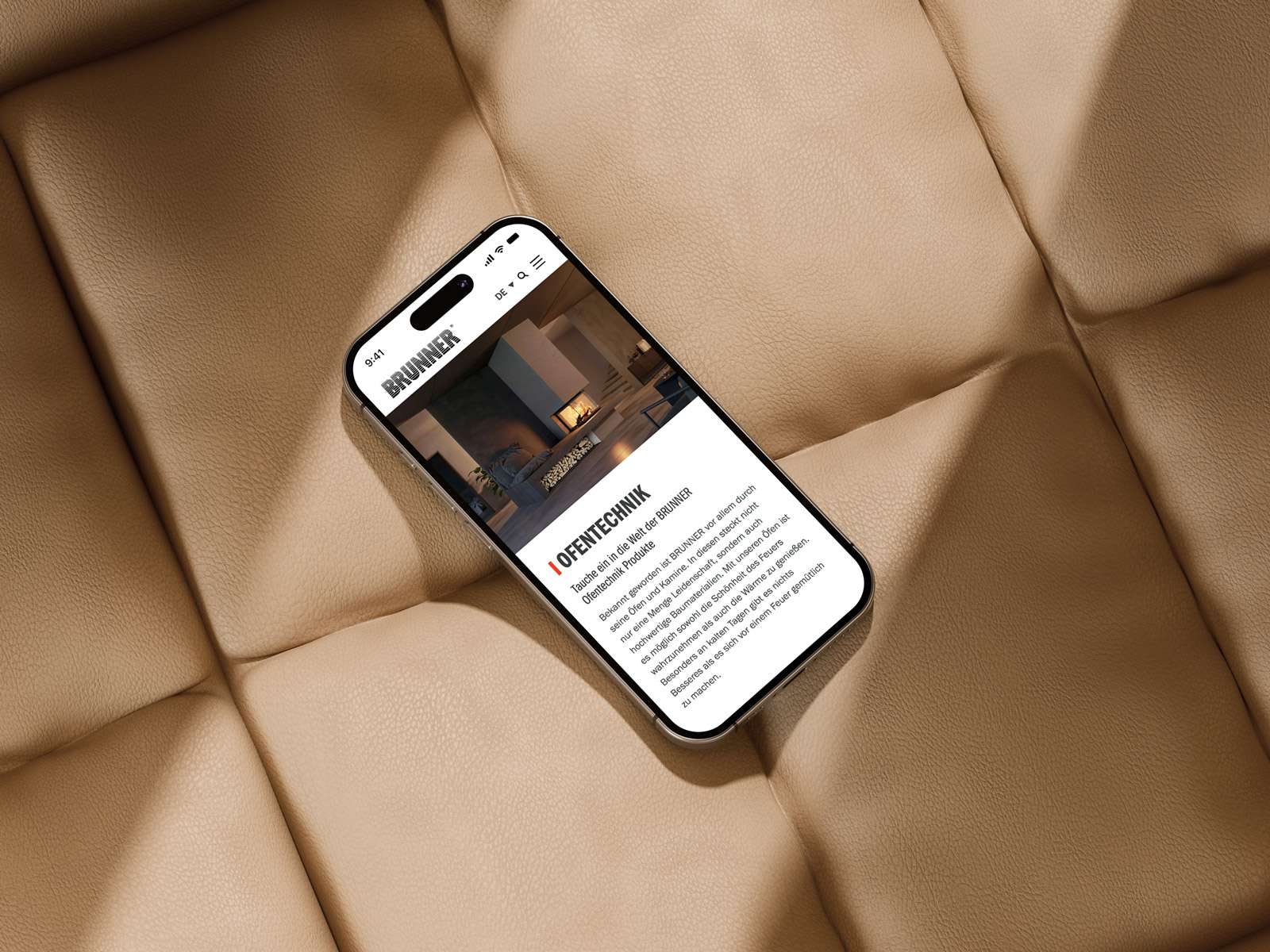



 With Bold, we didn't just build our new website – we found a partner who makes working together genuinely fun. Cool ideas, quick check-ins and always a solution at hand – even for complex topics. The team is incredibly dedicated and always responded to our individual needs. You can tell real teamwork is a way of life here. From the first idea to the final result, everything just clicked. In the end, we have a result we can fully identify with.
Digital should feel simple. Even when it isn’t.
↗
A good website has to do a lot these days. It should look great, work intuitively, be fast, get found and be easy to keep evolving after launch.
That's why we think concept, design and development together from the very start. We want to understand what a digital solution needs to deliver, who uses it and which processes sit behind it. Only then do we decide how it looks and which technology is right for it.
The result: websites, stores and custom web applications where design and technology don't work against each other, but come together to create the best solution.
The result: websites, stores and custom web applications where design and technology don't work against each other, but come together to create the best solution.
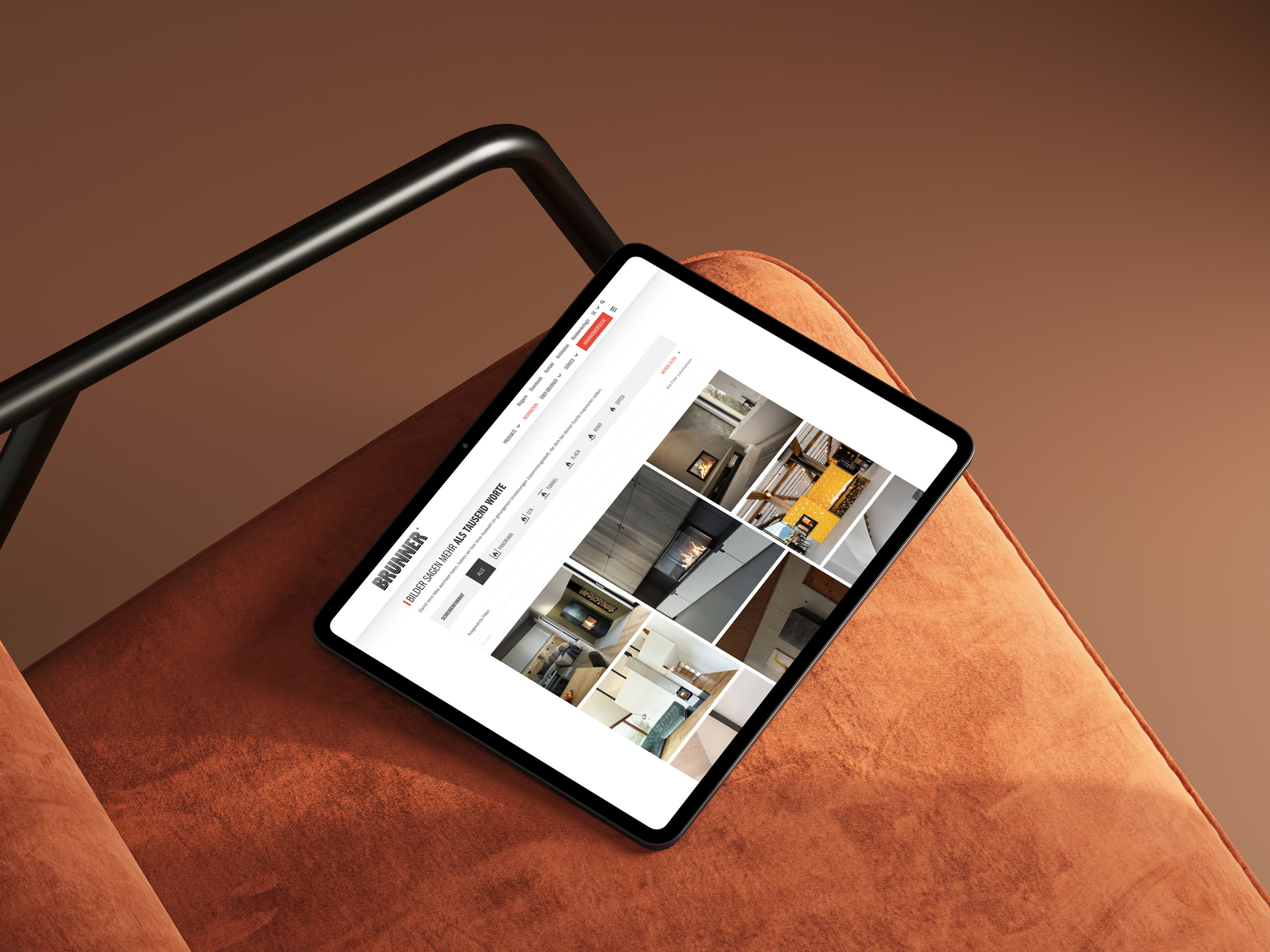
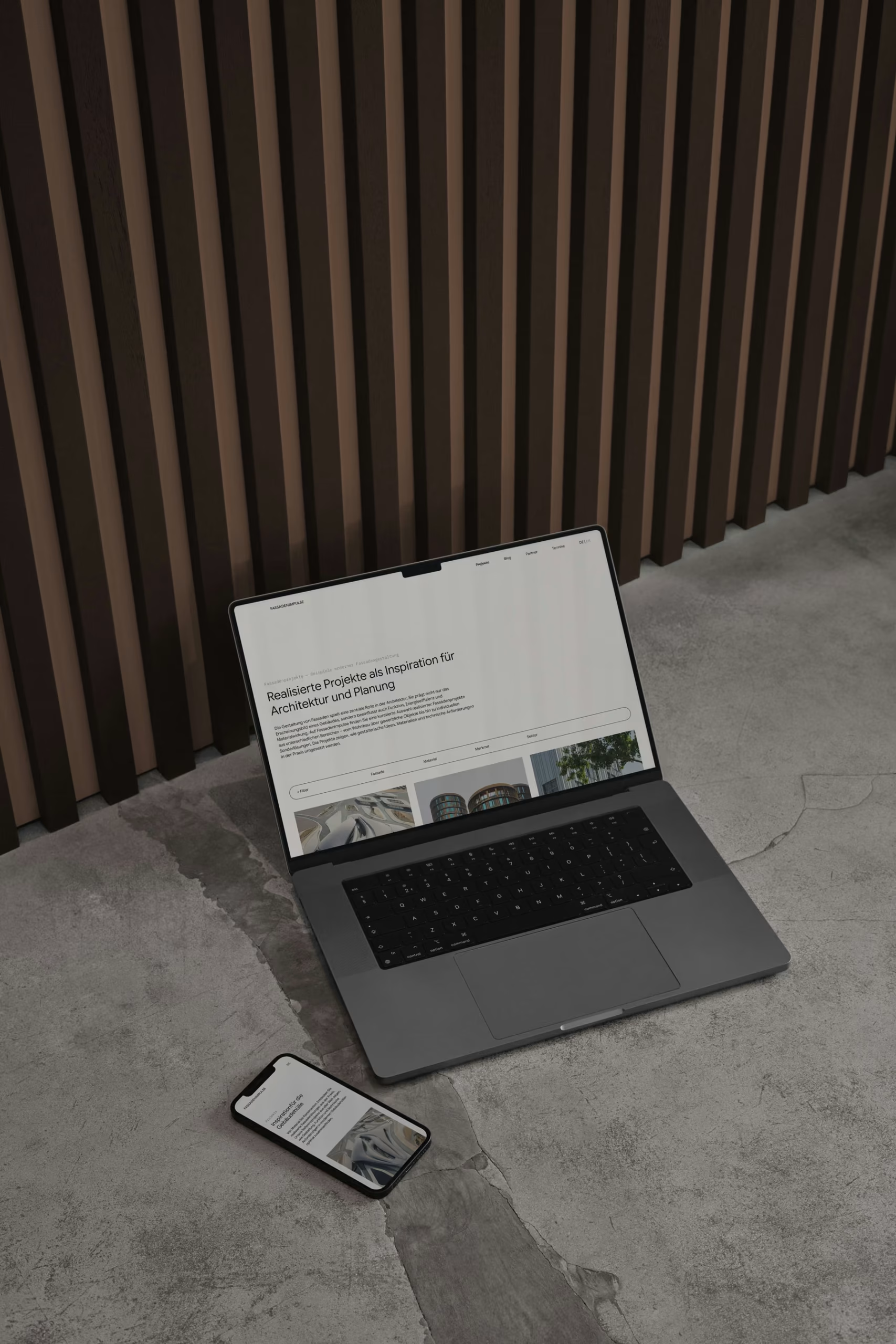
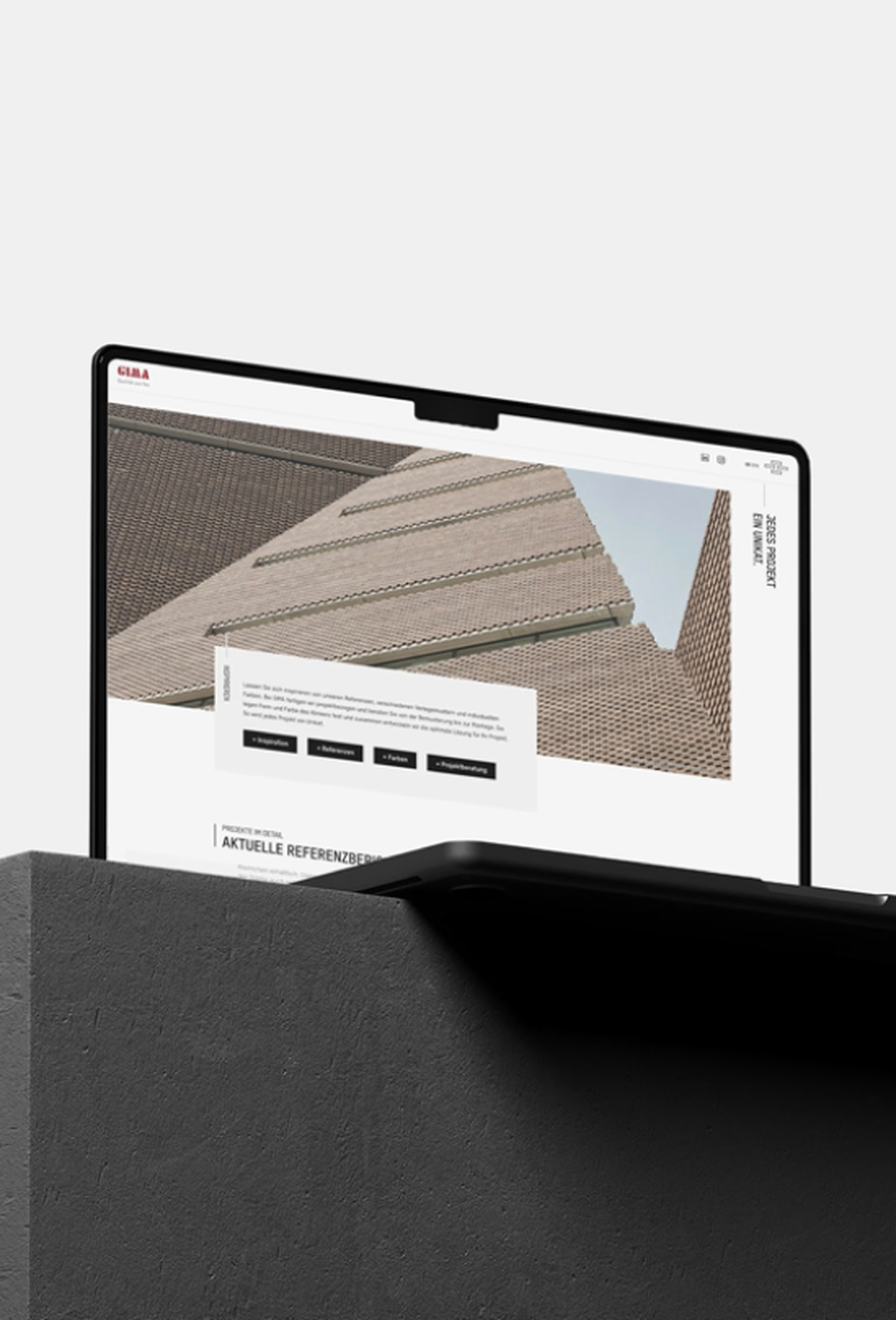
Concept & Design
Before the first screens take shape, it has to be clear what a website or application is actually supposed to do. We dig into content, users and requirements and develop a structure that works. Only then do we start designing.
A good website doesn’t start in a design tool. We clarify goals and requirements, structure content and think through user journeys. The result is a sitemap, information architecture, user flows and wireframes – a solid foundation for everything that comes next.
A website is usually one of the most important touchpoints with a brand. So it should look just as individual. We create web designs that consistently translate a brand’s identity into the digital space, get content to the point and work on every screen. Not off the shelf, and not chasing the next trend.
Good interfaces make complex things simple. We design interfaces and interactions so users quickly understand where they are, what they can do and how to get where they’re going. We combine intuitive usability with a visual system that fits the brand – from a single button to a complete digital product.

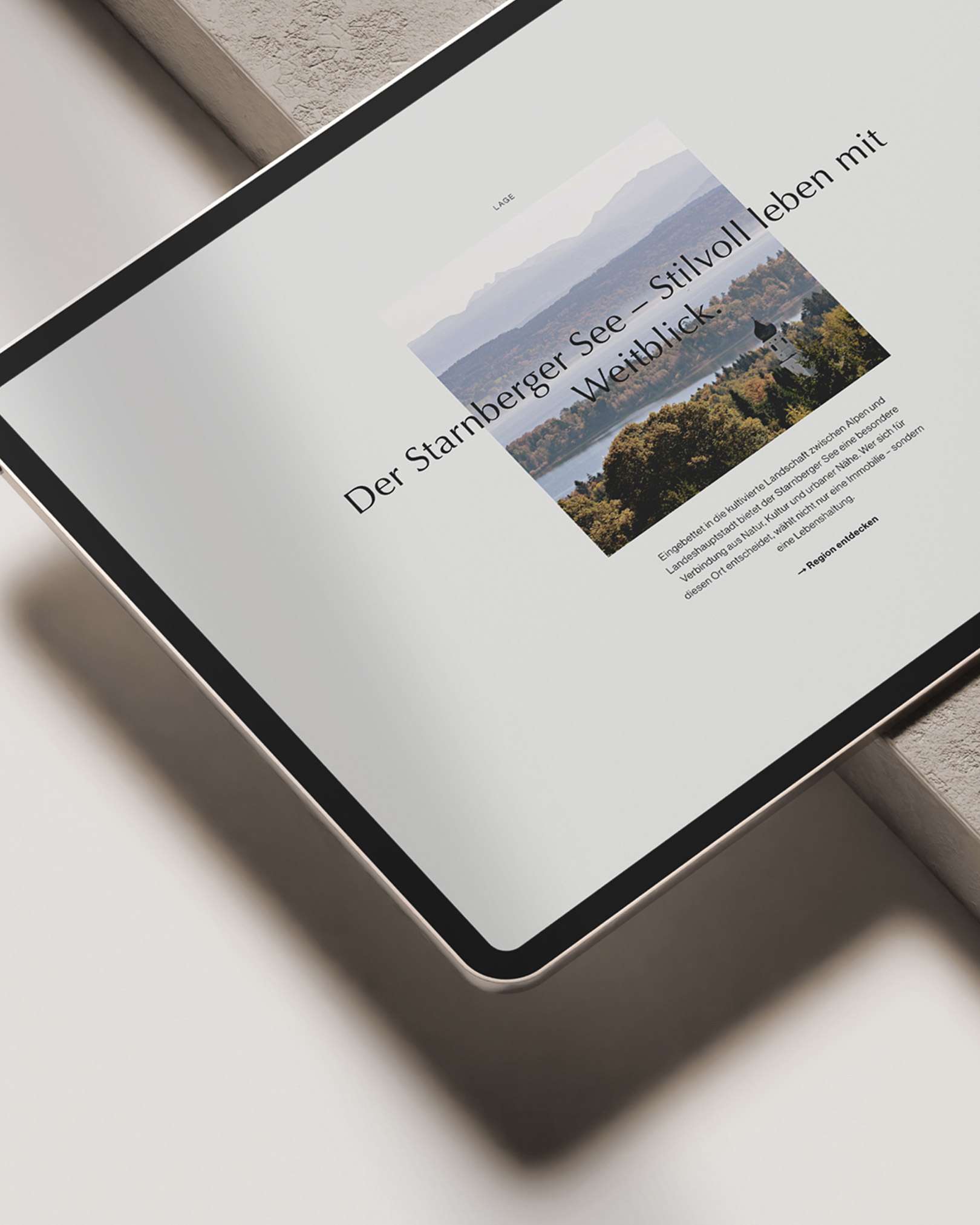

Development
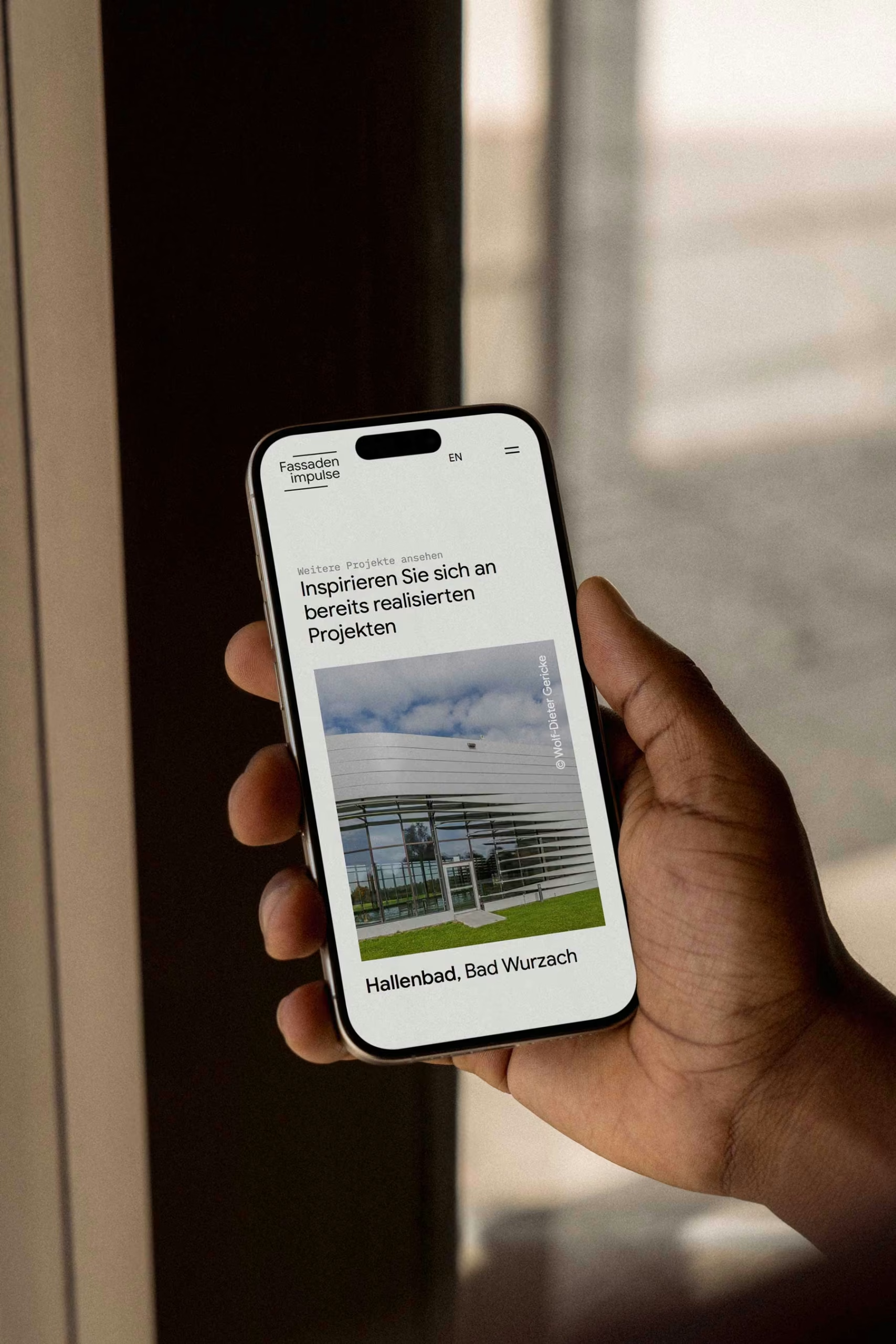
A good concept and a strong design ultimately need to work just as well. That's why our developers are involved from the start. We build digital solutions that are clean, high-performing and made not just to work at launch, but to keep evolving afterward.
We build custom websites using modern technologies and established content management systems. We focus on performance, clean code and a technical structure that works for the long haul. Which system we use depends on the project’s requirements – not on what we’ve always done.
A good online shop has to do a lot at once: present products convincingly, help people find their way, make buying easy and work reliably with the systems behind the scenes. We design and develop custom e-commerce and ticketing solutions and take care of everything from the front end to checkout.
Sometimes a classic website just isn’t enough. We develop portals, configurators, platforms and custom web-based applications for requirements that a standard solution can’t sensibly handle. We’re not looking for the most technically complicated solution, but for the best one for the job.

Technology
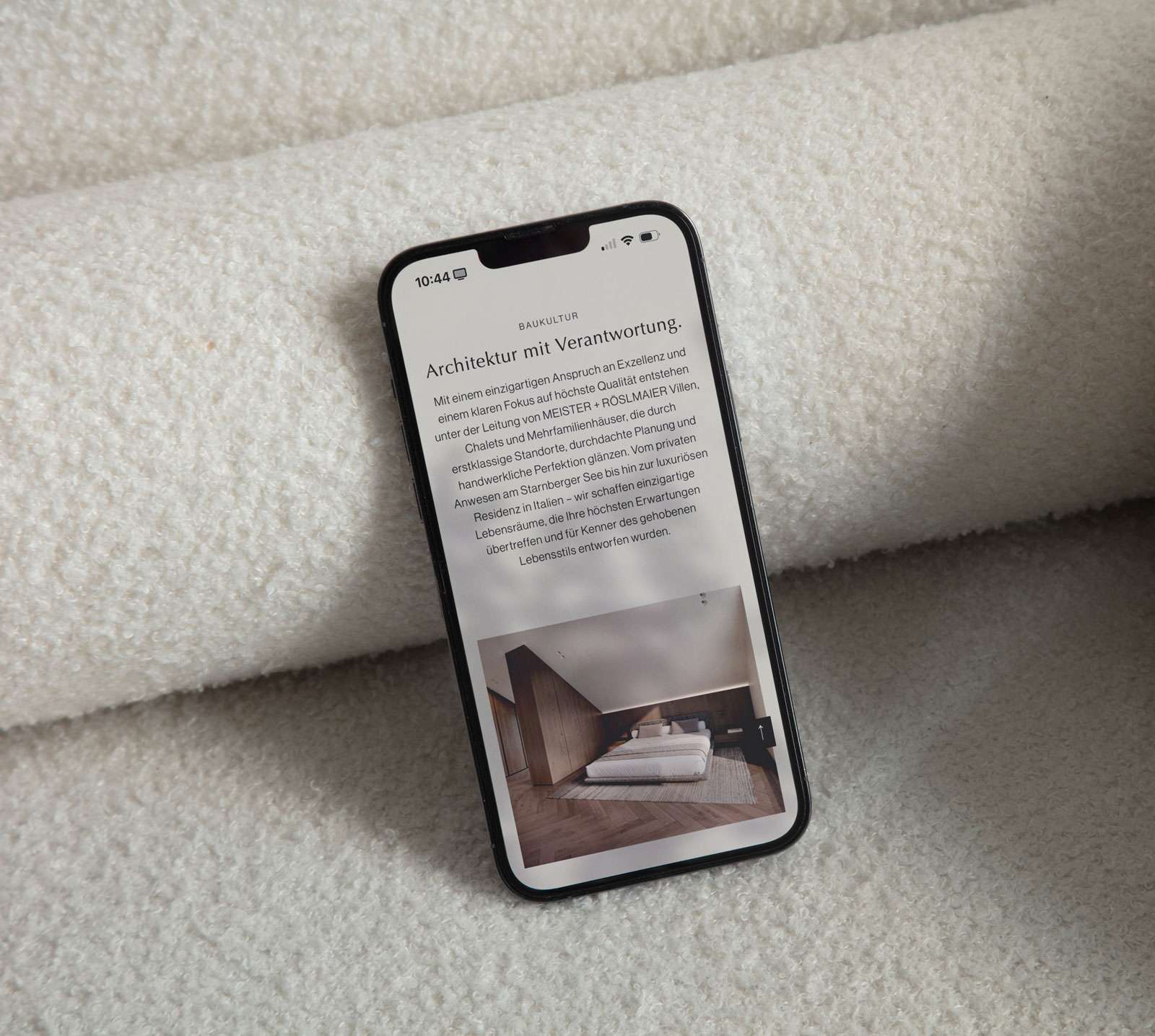
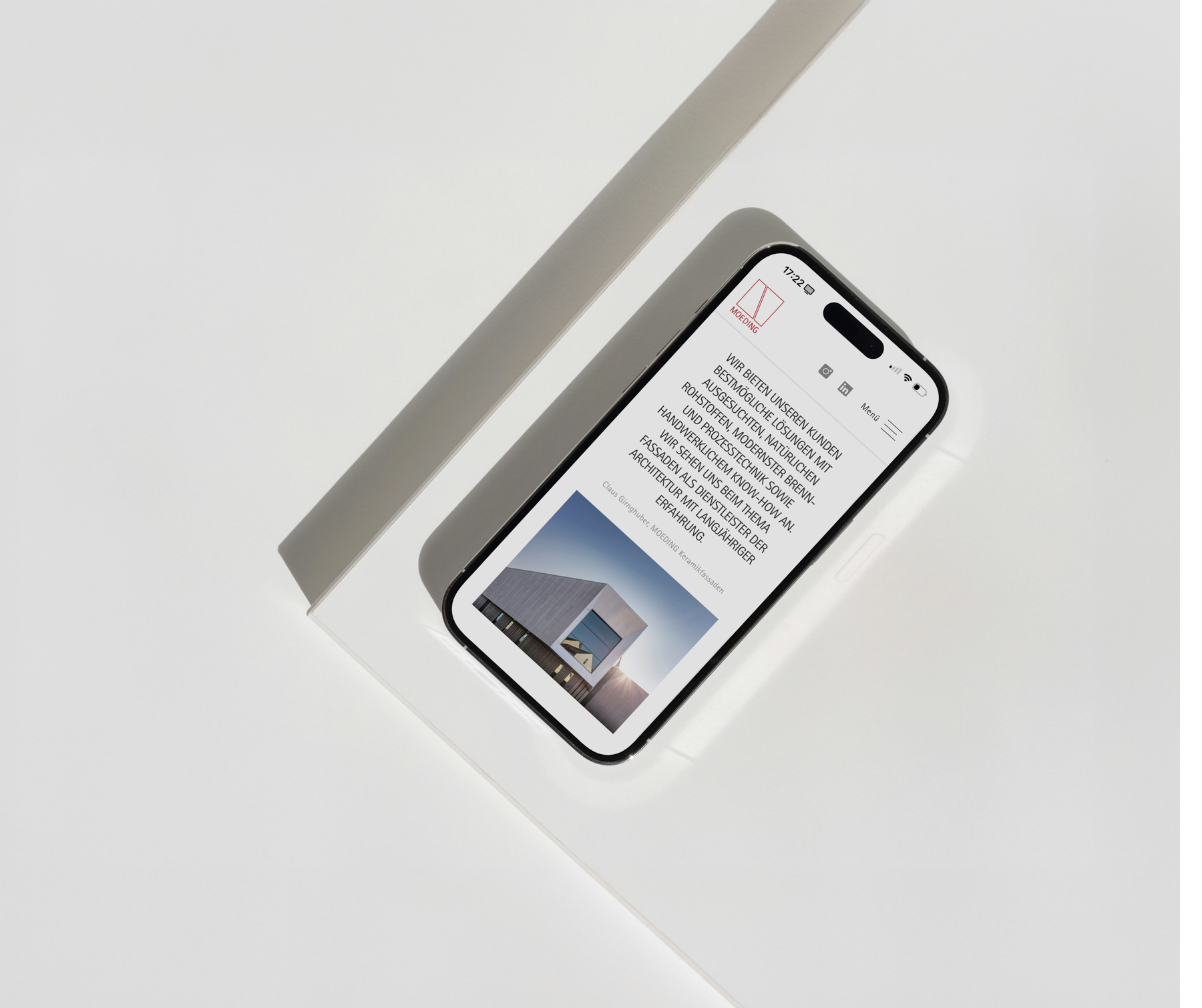
A lot happens behind a good website that you never see. Systems exchange data, content gets managed, user behavior gets measured and somewhere the whole thing has to run reliably. We take care of that part, too – so digital doesn't just look good.
ERP, CRM, PIM, inventory management, newsletters, payment providers or other external systems: we connect websites and shops with the applications already in use at the company. Using existing APIs or custom-built interfaces, we make sure data ends up where it’s needed – ideally without unnecessary detours or manual work.
Launch is where everyday life begins. So if you like, we’ll take care of hosting, updates, backups, security and ongoing technical support afterwards. And when requirements change, we keep developing websites and applications together with our clients. After all, a digital project should be able to grow with the company.
A website produces tons of data. What matters is which of it actually tells you something. We set up tracking and analytics so that relevant user journeys, conversions and goals become measurable – privacy-conscious and without dashboards full of numbers nobody can do anything with.
Any questions?
Every brand is different – and so is every project. Here we answer some of the questions we're asked most often about branding and brand development.
That mainly depends on scope and requirements. A compact company website is a different project than an international platform with multiple languages, custom features and interfaces to third-party systems. That’s why we don’t price websites by page count alone – we look at what the project actually needs. After an initial conversation, you’ll get a transparent proposal from us with a clearly defined scope of work.
That depends on the project, too. Concept, design, content, technical requirements and review processes all have a big impact on the timeline. For a custom-designed and developed website, you should generally plan for several weeks to a few months.
We don’t commit to a single system – we choose the technical foundation to fit the project. For classic websites, we use WordPress in 99% of cases, and WooCommerce for e-commerce. For custom applications, depending on the requirements, we also use our own technical solutions and modern frameworks. What matters to us isn’t the tool, but whether it fits the job in the long run.
In principle, yes. First we look at how the existing website is built technically and whether further development makes sense. Not every system needs to be rebuilt from scratch right away. If the foundation is solid, we’re happy to build on it. And if a relaunch would make more sense in the long run, we’ll tell you that, too.
Yes. For relaunches, we plan the migration of existing content, products and data from the start. Depending on the source system, that can happen manually, automatically or via interfaces. At the same time, a relaunch is often a good opportunity to take a critical look at your content: What has to come along, what can go and what should be rethought?
Yes. Technical SEO fundamentals, performance, semantic structure and accessibility are part of modern web development for us and shouldn’t only show up right before launch. Which additional measures make sense or are required depends on the project, the audiences and, where applicable, legal requirements.
Yes. We develop and integrate interfaces to existing systems – such as ERP, CRM, PIM, inventory management, newsletter tools, payment providers or other platforms. First, we check which interfaces and APIs already exist and which solution makes sense for the process at hand.
We don’t disappear as soon as the website is online. If you like, we’ll take care of hosting, maintenance, updates, backups and technical support and keep developing the platform together with you. Because after a launch, there are usually more ideas, not fewer.
Yes. AI has long been part of our workflows – in concept development, research, development, testing, documentation and many other areas. We automate and speed things up wherever it makes sense. That doesn’t just save time; it frees up more room for UX, design, technical decisions and the project’s requirements. The standard stays the same: whatever goes live has to meet our quality bar.
Yes. A good website is more than design and code. Depending on the project, we develop and refine content, write copy, create visual worlds and organize photo, video or content productions. We can of course also take over existing material and integrate it into the new concept.
View projects
A look at projects we've developed together with our clients. From the first idea to the finished result.
Coming soon
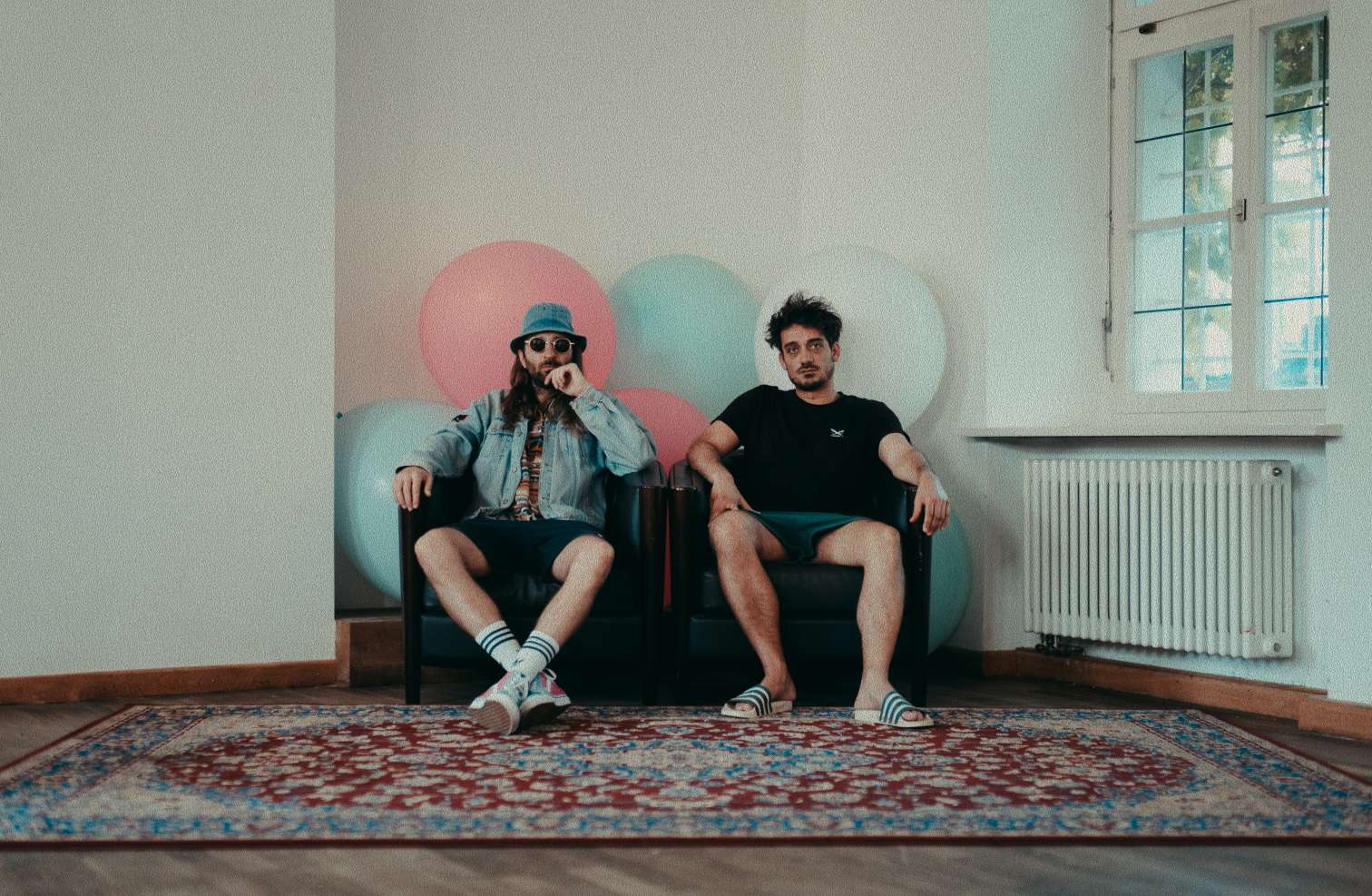
Dicht & Ergreifend
Culture & Media
built for bold brands.
Testimonials
No empty phrases, just real collaboration.
Many projects turn into long-term partnerships – and that's exactly how it should be.
With Bold, we didn't just build our new website – we found a partner who makes working together genuinely fun. Cool ideas, quick check-ins and always a solution at hand – even for complex topics. The team is incredibly dedicated and always responded to our individual needs. You can tell real teamwork is a way of life here. From the first idea to the final result, everything just clicked. In the end, we have a result we can fully identify with.  Bold has a truly fantastic team! They brought our ideas and our websites to life beautifully! I really enjoy working with them! They're always quick to help!
 We've worked with Bold on numerous projects, both online and in print. The ideas and execution were always perfectly tailored to us. The results are outstanding and have already won several awards.
 Working with Bold was a success and a pleasure from start to finish. Despite a website project that was demanding in both timeline and scope, the team impressed us with their speed and precision. They brought our ideas to life perfectly and supported us with their expertise. Our 14 location pages are a hit with managing directors, employees and partners alike – and have more than exceeded our expectations.
 A likeable agency with great ideas that expertly brought our wishes to life and responds quickly and professionally to any problems or questions.
 Together with Bold, we produced an anniversary podcast for our client Haas Fertigbau. I was really impressed by their keen ear for the right sounds and their high standards for recording quality. Working together was a lot of fun.
 Top agency! They helped me build the complete corporate design for restaurant | 271, and I always got great advice. Friendly team, quick help with any issues – all excellent.